Wiki / Global
Nowruz in Central Asia and Azerbaijan
Nowruz (often spelled Navruz, Novruz, or Nauryz in these regions) is a major public holiday and a deeply cherished cultural event across Central Asia (Tajikista...
Nowruz in Central Asia and Azerbaijan
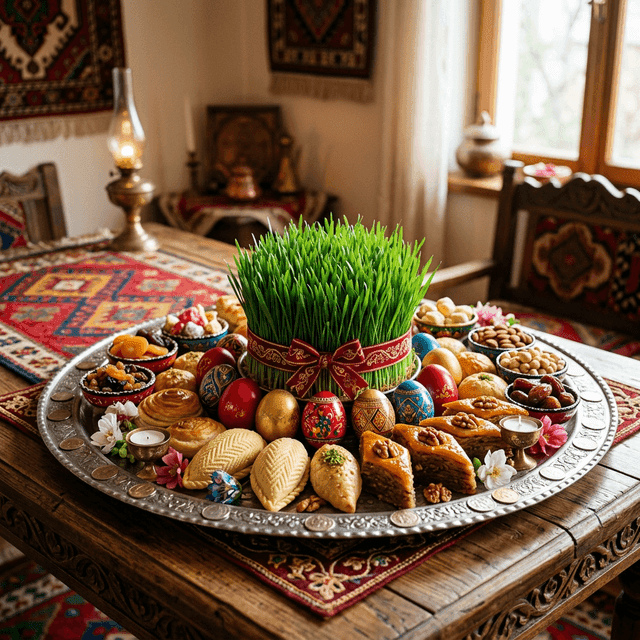
Nowruz (often spelled Navruz, Novruz, or Nauryz in these regions) is a major public holiday and a deeply cherished cultural event across Central Asia (Tajikistan, Uzbekistan, Kazakhstan, Kyrgyzstan, Turkmenistan) and the Caucasus (Azerbaijan).
After the fall of the Soviet Union, which had suppressed or banned many religious and traditional holidays, the public celebration of Nowruz experienced a massive, joyful resurgence across these newly independent nations.
Novruz Bayrami in Azerbaijan
In Azerbaijan, the holiday is called Novruz Bayrami. The celebrations stretch out over the four Tuesdays preceding the new year, each dedicated to one of the four classical elements:
- Su Çərşənbəsi (Water Tuesday): Celebrates the melting of the snow and the flowing of rivers.
- Od Çərşənbəsi (Fire Tuesday): Celebrates warmth and the sun.
- Yel Çərşənbəsi (Wind/Air Tuesday): Celebrates the spring breezes that pollinate the trees.
- Torpaq Çərşənbəsi (Earth Tuesday): The final Tuesday, celebrating the awakening of the soil.
On Earth Tuesday, families light bonfires and jump over them, reciting chants similar to those in Iran. A unique Azerbaijani tradition is Papag Atma (Hat Throwing), where children knock on neighbors' doors, leave an empty hat or basket on the doorstep, and hide. The neighbors are expected to fill the hat with Novruz sweets (like Pakhlava and Shekerbura) and nuts.
Navruz in Tajikistan and Uzbekistan
In Tajikistan and Uzbekistan, the holiday is a massive communal affair marked by street festivals, traditional music, and public feasts.
- Sumalak (Samanu): The preparation of Sumalak (a sweet paste made entirely from germinated wheat) is the central culinary tradition. It is identical to the Iranian Samanu but is often cooked communally by women over 24 hours in massive cauldrons. The stirring of the pot is accompanied by singing, dancing, and the sharing of folk tales.
- Kupkari / Buzkashi: Traditional equestrian sports are a major part of the festivities, drawing huge crowds.
- Gushtigiri (Traditional Wrestling): In Tajikistan, special traditional wrestling tournaments are held during Navruz, where champions from different villages compete for honor and prizes.
Nauryz in Kazakhstan and Kyrgyzstan
In the nomadic traditions of Kazakhstan and Kyrgyzstan, the holiday is a time for hospitality and abundance.
- Nauryz Kozhe: In Kazakhstan, the most important traditional dish is Nauryz Kozhe, a hearty, cold soup made of seven symbolic ingredients (usually water, meat, salt, fat, flour, grains, and milk/kefir), representing joy, success, intelligence, health, wealth, agility, and security.
- Yurt Villages: Nomadic yurts (traditional tents) are erected in city centers and public squares. Inside, traditional foods are served, and competitions involving poetry reading, singing (Aytysh), and horseback riding are held.