Wiki / Culture
Nowruz
Nowruz is a festival rooted in the celebration of spring, rebirth, and the renewal of nature. While its origins lie in ancient Iranian and Zoroastrian tradition...
Nowruz
Nowruz (Persian: نوروز, meaning "New Day") is the traditional Iranian New Year, celebrated by over 300 million people worldwide. It marks the first day of the first month (Farvardin) of the Iranian calendar and occurs on the vernal equinox, usually falling on March 20th or 21st.
Nowruz is a festival rooted in the celebration of spring, rebirth, and the renewal of nature. While its origins lie in ancient Iranian and Zoroastrian traditions, it has been celebrated by diverse communities across Western Asia, Central Asia, the Caucasus, the Black Sea Basin, the Balkans, and South Asia for over 3,000 years.
History and Origins
The exact origins of Nowruz are prehistoric, but it is heavily rooted in the traditions of Zoroastrianism, the ancient religion of Iran. In Zoroastrian doctrine, the arrival of spring represents the victory of light and goodness over the darkness and cold of winter.
In Persian mythology, the holiday is attributed to the mythical King Jamshid, who saved humanity from a devastating winter that was destined to kill every living creature. According to the Shahnameh (The Book of Kings), Jamshid constructed a throne studded with gems, had demons raise him above the earth into the heavens, and the people celebrated this day as "Nowruz."
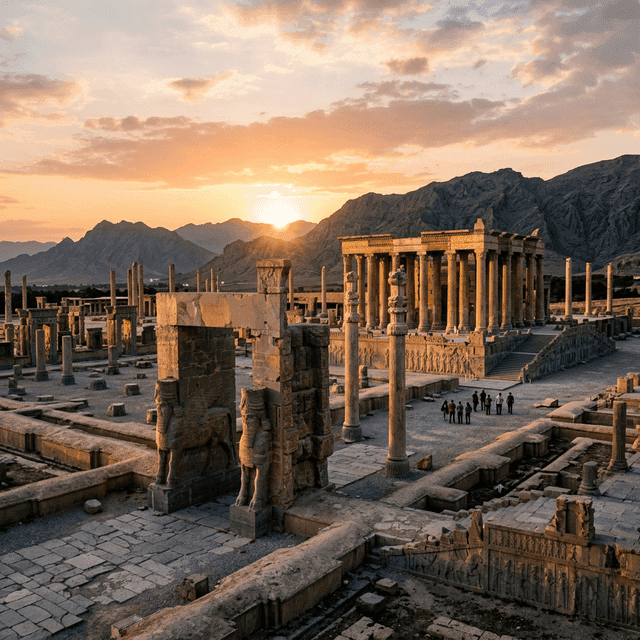
Historically, the holiday was formally recognized and grandly celebrated during the Achaemenid Empire (c. 550–330 BCE). Kings from different nations under the Persian Empire would bring gifts to the Emperor at Persepolis on this day.
Key Traditions
Nowruz is not a single day but a season of celebration spanning several weeks. Key traditions include:
- Khaneh Tekani: A rigorous "spring cleaning" of the home performed in the weeks leading up to the new year.
- Chaharshanbe Suri: The Festival of Fire, celebrated on the eve of the last Wednesday of the old year, involving jumping over bonfires.
- The Haft-Sin Table: The centerpiece of Nowruz. Families arrange a table with seven symbolic items starting with the Persian letter "Seen" (S), representing themes like health, wealth, and rebirth.
- Tahvil-e Saal: The exact astronomical moment the sun crosses the celestial equator. Families gather around the Haft-Sin table to celebrate the transition.
- Sizdah Bedar: The thirteenth day of the new year, where families leave their homes to picnic in nature and discard bad luck.
Global Observance and UNESCO Status
In 2010, the United Nations General Assembly recognized March 21 as the International Day of Nowruz, describing it as a spring festival of Persian origin. It was also inscribed in 2009 on the Representative List of the Intangible Cultural Heritage of Humanity by UNESCO.
Today, it is an official public holiday in countries including Iran, Afghanistan, Tajikistan, Azerbaijan, Turkmenistan, Kazakhstan, Kyrgyzstan, and Uzbekistan, and is celebrated by diaspora communities worldwide.